-
Add more fiber to your diet. Fiber adds bulk, softens stool, and contributes to peristalsis (gentle, rhythmic contractions of the colon), which encourages elimination.[1] More fiber in your body means your colon can move waste out of your body more quickly and efficiently. Aim for about 20 to 35 grams (0.7 to 1 oz) of fiber a day. Make sure you have five servings a day of fruits and vegetables as well as lots of whole grains in your diet.[2]
- Have 100% whole grains in your diet, such as brown rice, quinoa, oatmeal, millet, and corn.
- Flax seeds, wheat bran, and oats are super-sources of fiber. You can prepare flax seed at home, have it in smoothies, or add it to other foods.
- Fruits like strawberries, apples, and blueberries are high in fiber. Beans, seeds, and nuts are also good sources of fiber.
-
-
-
-
-
-
-
Speak to your doctor about colonic irrigation. Colonic irrigation, also known as colonic hydrotherapy, can help to flush waste material out of your bowels with water. Your doctor may be able to do this procedure for you or recommend a colonic hydrotherapist who can do it for you. Be sure to choose a colonic hydrotherapist who is licensed by a recognized national organization. Before you get the procedure done, speak to your doctor about your medical history to ensure you can safely get the procedure.[17]
- During the procedure, a pump is inserted into your rectum and about five gallons of warm water are put into your system over a period of time. Once the water is in your colon, the therapist may massage your abdomen to get circulate the water through your colon and to help waste products pass out of your body. The procedure can take about 30 to 45 minutes.
- You should not have a colonic irrigation performed if you have certain medical conditions, including diverticulitis, severe hemorrhoids, ulcerative colitis, Crohn’s disease, bowel or rectum tumors, recent bowel surgery, heart disease, or kidney disease.[18]
-
-

-
-
-
-
Research the compensation plan. Find out how you get paid. Ask what percentage of sales gets paid back to the distributors. Find out how fair the distribution is between old and new members.[8] Familiarize yourself with the different types of MLM compensation plans. Research the type your company uses and evaluate how fair and generous it is.
- A unilevel compensation plan pays the same amount to all distributors.[9] This pays well if you are a good recruiter.
- With a stair step breakaway compensation plan, your payments increase as your distributors’ volume grows. Once they reach a certain level, they break away from you. Many companies use this plan because it is tried and true. Be aware that once a distributor breaks away, you may need to replace her to make your monthly quotas if you have them. [10]
- In a forced matrix compensation plan, the organization of distributors looks like a grid. This means that a certain number of people you bring in to the company will work directly for you, or be on your front line. But after that, any other people you bring in will spill over, or be placed underneath them. This plan encourages team work.[11]
- A binary compensation plan allows you to have two distributors on your front line. After that, other distributors go beneath them. Sales volume must be balanced between the two distributors underneath you before you receive any commissions. This plan is simple to understand and offers fast growth. Be aware, however, that although binary plans are designed to operate legally, some companies do not run them as they are designed.[12]
- If the commission is too high, your company may fail. The higher the commission, the less value the customer receives for her purchase.
- "Downlines" are the distributors beneath you. For example, if you are seller A and recruit seller B, seller B is your "downline." You will probably earn a percentage of seller B's sales unless you are operating on a unilevel compensation plan.[13]Downlines greater than 5 may run into regulatory legal problems, since emphasis is on selling to distributors rather than the customer. This type of organization may be attacked as a pyramid scheme.
-
 Add more fiber to your diet. Fiber adds bulk, softens stool, and contributes to peristalsis (gentle, rhythmic contractions of the colon), which encourages elimination.[1] More fiber in your body means your colon can move waste out of your body more quickly and efficiently. Aim for about 20 to 35 grams (0.7 to 1 oz) of fiber a day. Make sure you have five servings a day of fruits and vegetables as well as lots of whole grains in your diet.[2]
 Drink lots of water. Your colon needs water to function properly and clean out any bacteria or waste in your gut. Try to have at least 13 cups of water a day if you are an adult male and nine cups of water a day if you are an adult female. You may increase your water intake if you are doing strenuous exercise or are in a hot, dry environment.[4]


 Talk to your doctor before you take over-the-counter laxatives. Often, maintaining a high fiber diet, drinking enough water, and exercising regularly can help your colon function properly. If you are still having issues after making lifestyle changes, consult with your physician before turning to laxatives. There could be an underlying medical problem. If your doctor recommends that you try taking laxatives, ask for a recommendation. Always follow the dosage instructions on the label of the laxatives and never take more than the recommended amount. Do not take laxatives long term, as this can lead to serious health issues.[11]
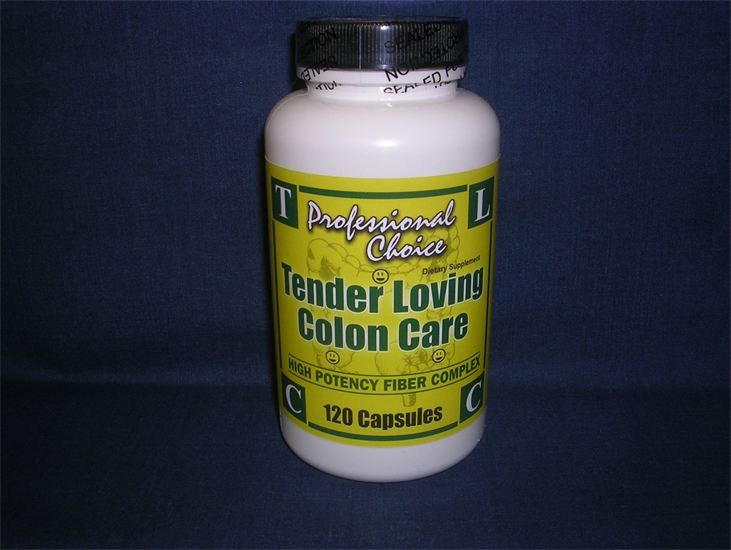
 Do your research before taking colon cleansing products. If you are considering a colon cleansing product for daily use, make sure you research the product before using it. These products have not been proven to offer any health benefits.[13] Also, keep in mind that these products are not regulated by the government, so the potency, purity and safety of these products is not guaranteed. Just because a product is labeled as "natural" does not mean it is safe.[14]


 Speak to your doctor about colonic irrigation. Colonic irrigation, also known as colonic hydrotherapy, can help to flush waste material out of your bowels with water. Your doctor may be able to do this procedure for you or recommend a colonic hydrotherapist who can do it for you. Be sure to choose a colonic hydrotherapist who is licensed by a recognized national organization. Before you get the procedure done, speak to your doctor about your medical history to ensure you can safely get the procedure.[17]


